Footwear, Clothing, and Escalator Safety: Hidden Risks Explained
Escalators are designed to transport people safely, but many injuries occur when footwear or clothing interacts poorly with moving components. These incidents are often preventable and stem from a lack of awareness rather than mechanical failure.
How Entrapment Happens
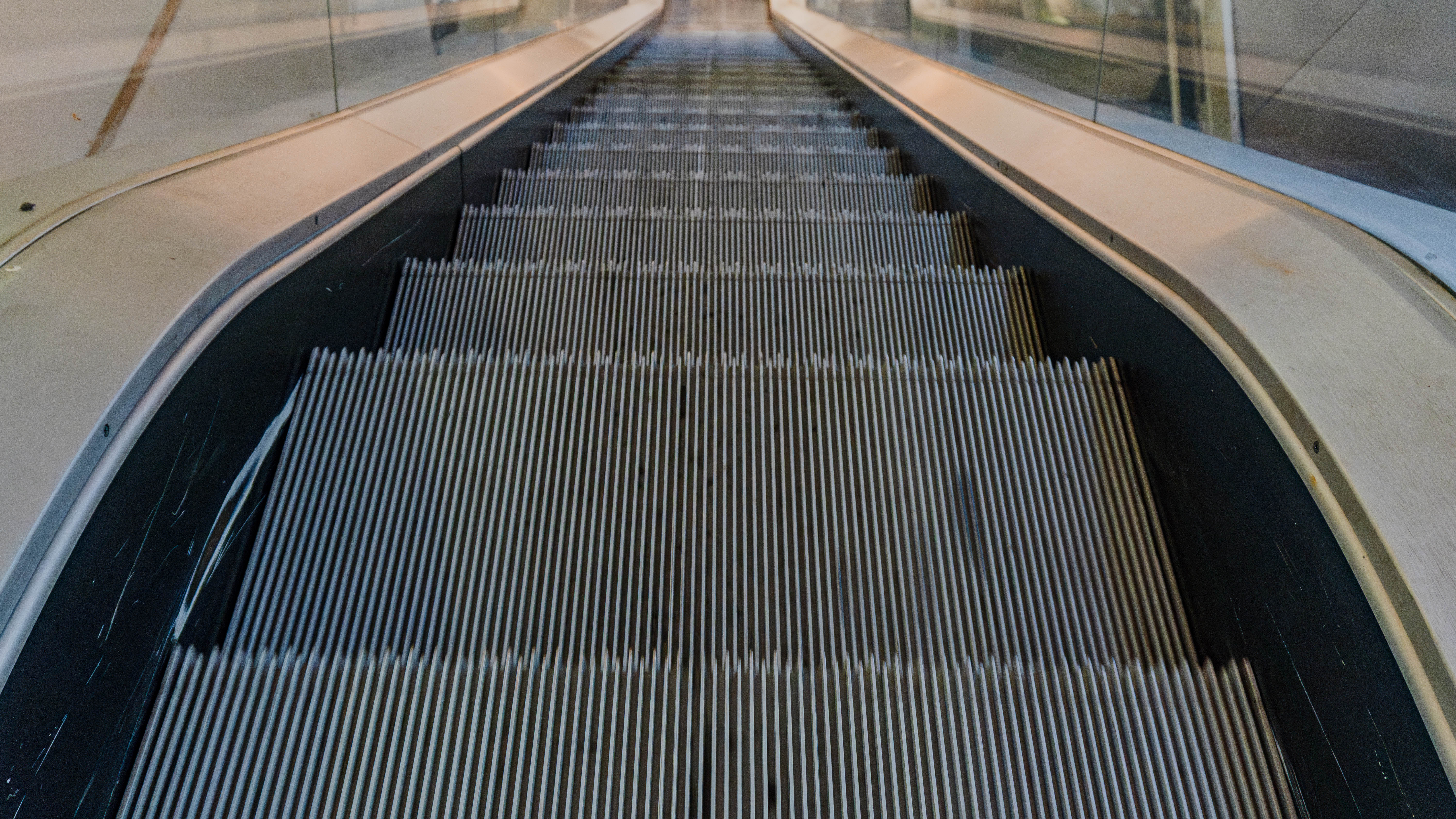
Escalator steps contain grooves that interlock with landing plates, while skirt panels guide movement along the sides. Soft materials, loose items, or poorly fitted footwear can become trapped between these moving parts, especially when users stand too close to step edges.
Footwear That Increases Risk
Certain types of footwear are more likely to cause problems on escalators:
Soft-soled sandals and foam shoes
Loose-fitting footwear such as Crocs
Shoes with long or untied laces
Worn or unstable soles
These materials can deform under pressure, increasing the chance of being pulled into gaps.
Clothing and Accessories to Watch
Loose garments, flowing dresses, scarves, and unsecured bags can also become caught. Children are particularly vulnerable due to smaller feet and clothing that may drag near step edges.
Practical Safety Habits
Stand in the centre of the step
Keep footwear fully on and secure
Hold children’s hands
Avoid sitting or leaning on escalators
Preventing escalator injuries requires a combination of public awareness, clear signage, and properly maintained equipment.